ONGOING STUDY:
GASTROSAM
GASTROSAM PROJECT
Research Details
Detailed study information
Full study title
Gastroenteritis Rehydration of Children with Severe Acute Malnutrition (GASTROSAM): A Phase II Randomised Controlled Trial
Study overview
Children admitted to hospital with severe acute malnutrition frequently have diarrhoea and dehydration. Historically, international guidelines have recommended cautious oral rehydration using ReSoMal, a low-sodium solution developed for malnourished children. Intravenous fluids have generally been restricted to children with shock because of concerns about heart failure, sodium imbalance and fluid overload.
However, these recommendations were based largely on expert opinion rather than robust clinical trial evidence. GASTROSAM was designed to establish whether alternative oral and intravenous rehydration strategies could be administered safely to children with severe acute malnutrition.
Study objectives
The study aimed to:
- Compare oral and intravenous rehydration strategies in children with severe acute malnutrition and gastroenteritis.
- Determine whether rapid or slow intravenous rehydration could be administered safely.
- Compare standard low-osmolarity WHO oral rehydration solution with ReSoMal.
- Assess mortality, electrolyte disturbances, urine output and other indicators of treatment safety.
- Provide evidence to inform international guidelines for managing dehydration in severely malnourished children.
Study design
GASTROSAM was a Phase II, open-label, randomised controlled trial with a partial factorial design.
Children were placed into two groups according to the severity of dehydration:
- Stratum A: Children with severe dehydration.
- Stratum B: Children with moderate or some dehydration.
Children with severe dehydration were randomised to different intravenous or oral rehydration strategies. Children in both strata also participated in the comparison between standard WHO oral rehydration solution and ReSoMal.
The study enrolled 415 children between 2 September 2019 and 27 October 2024. Of these, 272 had severe dehydration and 143 had moderate dehydration. Participants were followed for 28 days. PubMed
Study population
Participants were children who:
- Were aged between 6 months and 12 years.
- Had severe acute malnutrition.
- Were admitted to hospital with diarrhoea.
- Had clinical signs of moderate or severe dehydration.
Study locations
The trial was conducted at six hospitals across:
- Uganda
- Kenya
- Niger
- Nigeria
The Ugandan study sites were:
- Mbale Regional Referral Hospital
- Soroti Regional Referral Hospital
The original East African phase also included Kilifi County Hospital in Kenya. UCL Innovative Clinical Trials Unit
Interventions
Intravenous rehydration comparison
Children with severe dehydration were allocated to one of three strategies:
- Rapid intravenous rehydration: Ringer’s lactate at 100 ml/kg over three to six hours, with additional fluid boluses permitted for shock.
- Slow intravenous rehydration: Ringer’s lactate at 100 ml/kg over eight hours without additional boluses.
- Oral or nasogastric rehydration: Rehydration according to the standard approach for children with severe acute malnutrition, with intravenous fluids reserved for shock.
Oral rehydration comparison
Children were also randomly allocated to receive either:
- Standard low-osmolarity WHO oral rehydration solution; or
- ReSoMal, the low-sodium rehydration solution recommended for children with severe acute malnutrition.
Main outcomes assessed
The trial assessed:
- Mortality at 96 hours and 28 days.
- Changes in blood sodium concentration.
- Urine output.
- Development of shock.
- Vomiting and requirement for nasogastric administration.
- Pulmonary oedema, heart failure or other evidence of fluid overload.
- Electrolyte disturbances, including hyponatraemia and hypokalaemia.
- Serious adverse events and the general feasibility of each strategy.
Key findings
Intravenous rehydration findings
Among the 272 children with severe dehydration, mortality at 96 hours was similar between intravenous and oral rehydration:
- 9 children, or 7%, died in the combined intravenous groups.
- 11 children, or 8%, died in the oral rehydration group.
No cases of pulmonary oedema or heart failure were observed. Intravenous rehydration corrected low sodium levels more quickly, although careful monitoring of potassium remained important. The findings indicated that both rapid and slow intravenous rehydration could be safely administered under close clinical supervision. New England Journal of Medicine
Oral rehydration findings
The increase in blood sodium concentration after 24 hours was similar in children receiving standard WHO oral rehydration solution and those receiving ReSoMal.
There was also no statistically significant difference in mortality by day 28:
- 19 children, or 9%, died in the WHO-ORS group.
- 24 children, or 12%, died in the ReSoMal group.
No fluid-overload events were observed in either group. These findings suggest that standard WHO oral rehydration solution is a safe alternative to ReSoMal for children with severe acute malnutrition and dehydration. The Lancet Child & Adolescent Health study abstract
Importance of the study
GASTROSAM challenges the long-standing assumption that children with severe acute malnutrition cannot safely receive standard intravenous or oral rehydration treatments.
The results could help simplify treatment guidelines by reducing unnecessary differences between rehydration protocols for malnourished and non-malnourished children. This is particularly important in hospitals where ReSoMal may not always be available and where complicated rehydration protocols can be difficult to implement.
The findings also emphasise that rehydration should be accompanied by close monitoring of vital signs, electrolyte levels and clinical deterioration.
Study leadership and collaborators
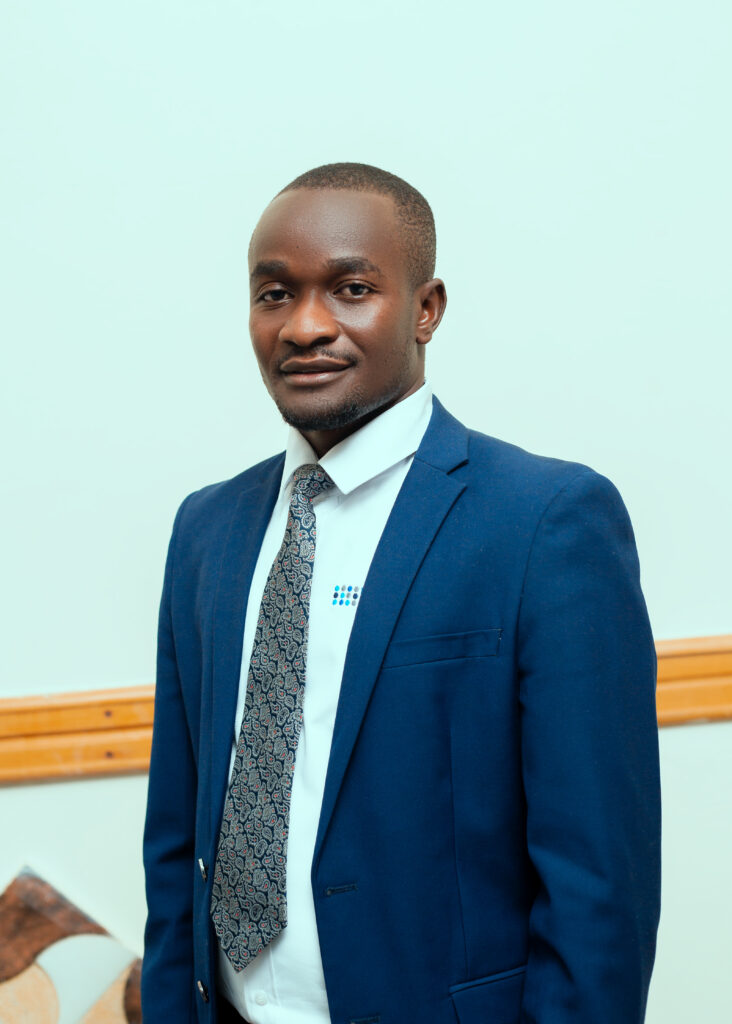
The study’s Chief Investigator was Professor Kathryn Maitland, Trial Manager: Ayub Mpoya and the country Principal Investigator was Professor Peter Olupot-Olupot of Mbale Clinical Research Institute
The international research collaboration included:
- Mbale Clinical Research Institute
- Mbale Regional Referral Hospital
- Soroti Regional Referral Hospital
- Imperial College London
- MRC Clinical Trials Unit at University College London
- KEMRI–Wellcome Trust Research Programme
- Médecins Sans Frontières
- Participating hospitals in Kenya, Niger and Nigeria
Imperial College London was the study sponsor, while the MRC Clinical Trials Unit at UCL provided trial coordination and statistical expertise.
Funding
GASTROSAM was funded through the Joint Global Health Trials Scheme involving:
- UK Medical Research Council
- UK Department for International Development
- Wellcome
- Médecins Sans Frontières
The principal grant number was MR/R018502/1. UCL trial report
Ethics and trial registration
Ugandan regulatory approvals included:
- Mbale Regional Referral Hospital Research Ethics Committee: MRRHREC OUT-107/2018
- Uganda National Council for Science and Technology: HS 2559
- National Drug Authority: CTC 0172-2021
The study was prospectively registered as:
- ISRCTN: ISRCTN76149273
- Pan-African Clinical Trials Registry: PACTR202103852542919
Study status
Completed
Participant recruitment ended on 27 October 2024. The principal intravenous rehydration results were published in 2025, and the oral rehydration findings were published in 2026.
Selected publications
- Olupot-Olupot P, Aloroker F, Mpoya A, et al. Gastroenteritis Rehydration of Children with Severe Acute Malnutrition (GASTROSAM): A Phase II Randomised Controlled Trial—Trial Protocol. Wellcome Open Research. 2021;6:160. Read the protocol
- Maitland K, Ouattara SM, Sainna H, et al. Intravenous Rehydration for Severe Acute Malnutrition with Gastroenteritis. New England Journal of Medicine. 2025;393:1257–1268. Read the publication
- Maitland K, et al. Oral Rehydration for Severe Malnutrition in Children with Moderate and Severe Dehydration (GASTROSAM): A Phase 2, Open-Label, Superiority Randomised Controlled Trial. The Lancet Child & Adolescent Health. 2026;10(5):319–329. Read the abstract
Study Summary
Senior Fellow
Prof. Peter Olupot-Olupot
MB.ChB, MPH, PhD, SRF, FUNAS, FRCP
Sponsor: Imperial College London
REC Approval #: MRRHREC OUT- 107/2018
UNCST Approval #: HS 2559
NDA Approval #: CTC 0172-2021
Study Duration: 24 months
Sites in Uganda: Soroti RRH and Mbale RRH in Uganda, Kilifi county hospital in Kenya
Population: Children aged 6month – 12 years with severe malaria
Sample size: 200 children
Study Design: Open phase II trial with factorial design.